July 7, 2026
Dumpster rentals play a crucial role in facilitating waste management for various types of projects, ranging from home renovations to large-scale construction undertakings. Many people harbor misconceptions about the ease and simplicity of renting a container, often leading to oversights that can complicate the process. Understanding the critical steps and considerations before booking is essential for ensuring a smooth and effective rental experience. This article will guide readers through must-know tips to streamline the process of securing a dumpster rental. By comprehending these key elements, project managers and homeowners alike can avoid common pitfalls and make informed decisions that save both time and money.
Evaluating the type of waste you will dispose of is one of the first essential steps when preparing your project. Not all containers can handle every kind of material, as certain items require special handling or are prohibited altogether. Waste can include a variety of materials, such as construction debris, yard waste, and household items. Knowing the composition of your waste can help you choose the appropriate option and avoid additional fees for delivering prohibited items. For example, hazardous materials like paint or chemicals require special disposal, and it's crucial to check with local regulations and your provider. This initial assessment ensures that dumpster rentals are utilized safely and effectively from the very start of your project.
Evaluating Project Scale and Volume
Estimating the volume of debris your project will generate helps in selecting an adequately sized container. Overestimating may lead to unnecessary expenses, while underestimating can result in costly additional pickups. According to the U.S. Environmental Protection Agency (EPA), nearly 300 million tons of municipal trash are produced by the United States on an annual basis, highlighting the importance of precise refuse estimation for sustainability and financial planning. One practical approach is to visualize the debris in standard-sized loads, like truck beds or bins, to aid in accurate estimation. Consulting with professionals or using online tools provided by companies can further refine these estimates.
The duration for which you'll need the container is another critical factor that can influence the setup process. Projects can vary significantly in their timelines, affecting how long you will require a unit on your premises. Companies usually offer flexible durations, but it is vital to align the timeframe with your project's schedule to avoid overpaying for unused days. Additionally, understanding the timeline helps prevent the project from being derailed by waste management issues. Planning for a little extra time can be a prudent measure if uncertain about exact completion dates, allowing dumpster rentals to seamlessly fit into your moving or renovation schedule.
Assessing Site Logistics and Access
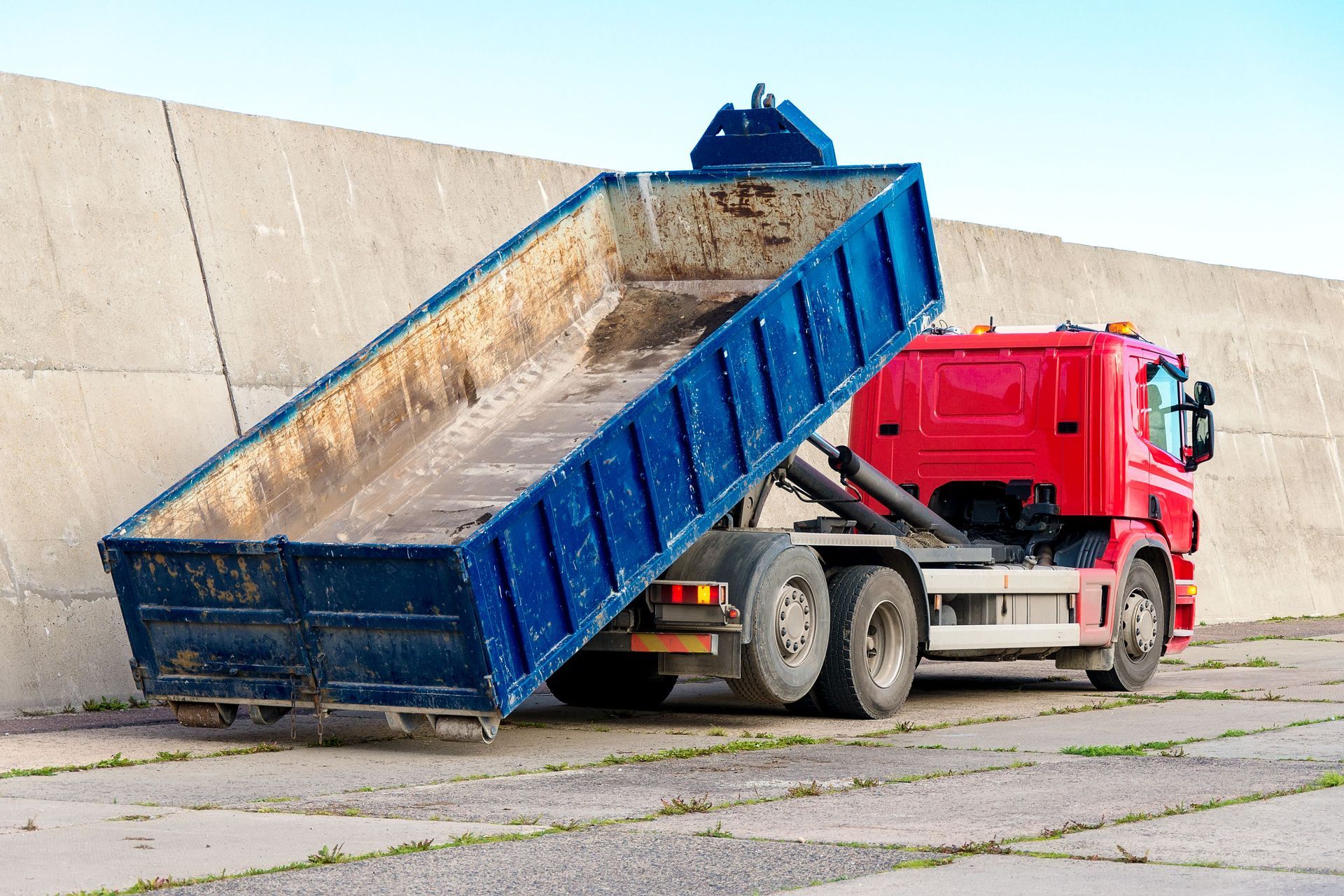
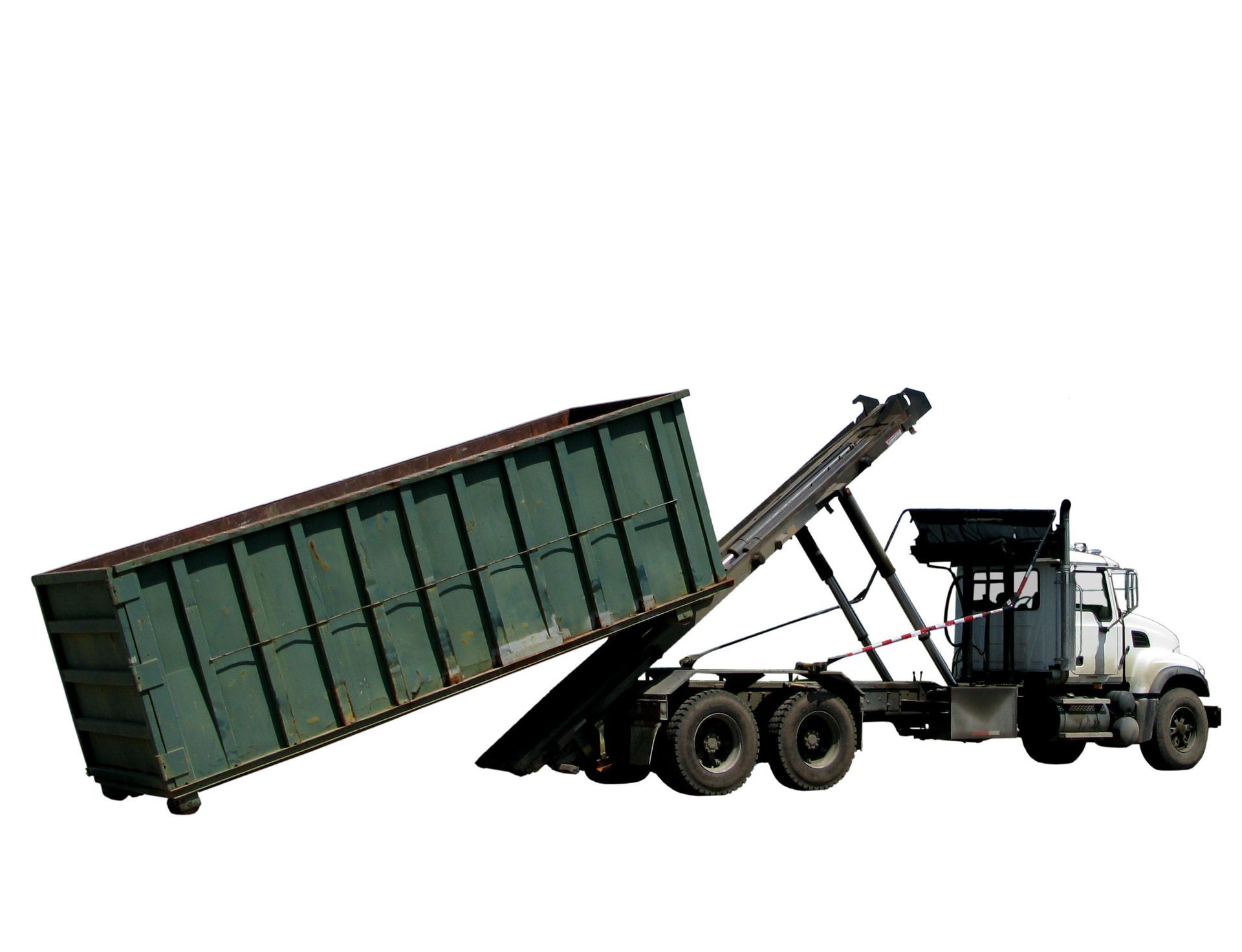
An often overlooked aspect when arranging for site containers is assessing the accessibility of your location. Ensuring that the chosen drop-off location is open to the delivery truck can avoid logistical hiccups and delays. Consider the space required not only for the container itself but for the vehicle that will transport it. Evaluating site conditions such as narrow entrances, overhead obstacles, or uneven ground can help you plan for a straightforward and trouble-free delivery. Communicating these considerations to your provider will help them prepare and potentially suggest alternative placement solutions.
Another indispensable consideration when booking dumpster rentals is determining whether you need an official permit. Depending on where you plan to place the container, local ordinances may require you to obtain documentation, especially if positioning it on public property or streets. The cost and process for acquiring a permit can vary by municipality, so it's wise to check ahead of time to ensure compliance with local regulations. Failure to obtain necessary permissions may result in fines or a disrupted project timeline. Factor this need into your project plan, as securing permits can sometimes take additional time.
Selecting the Perfect Container Capacity
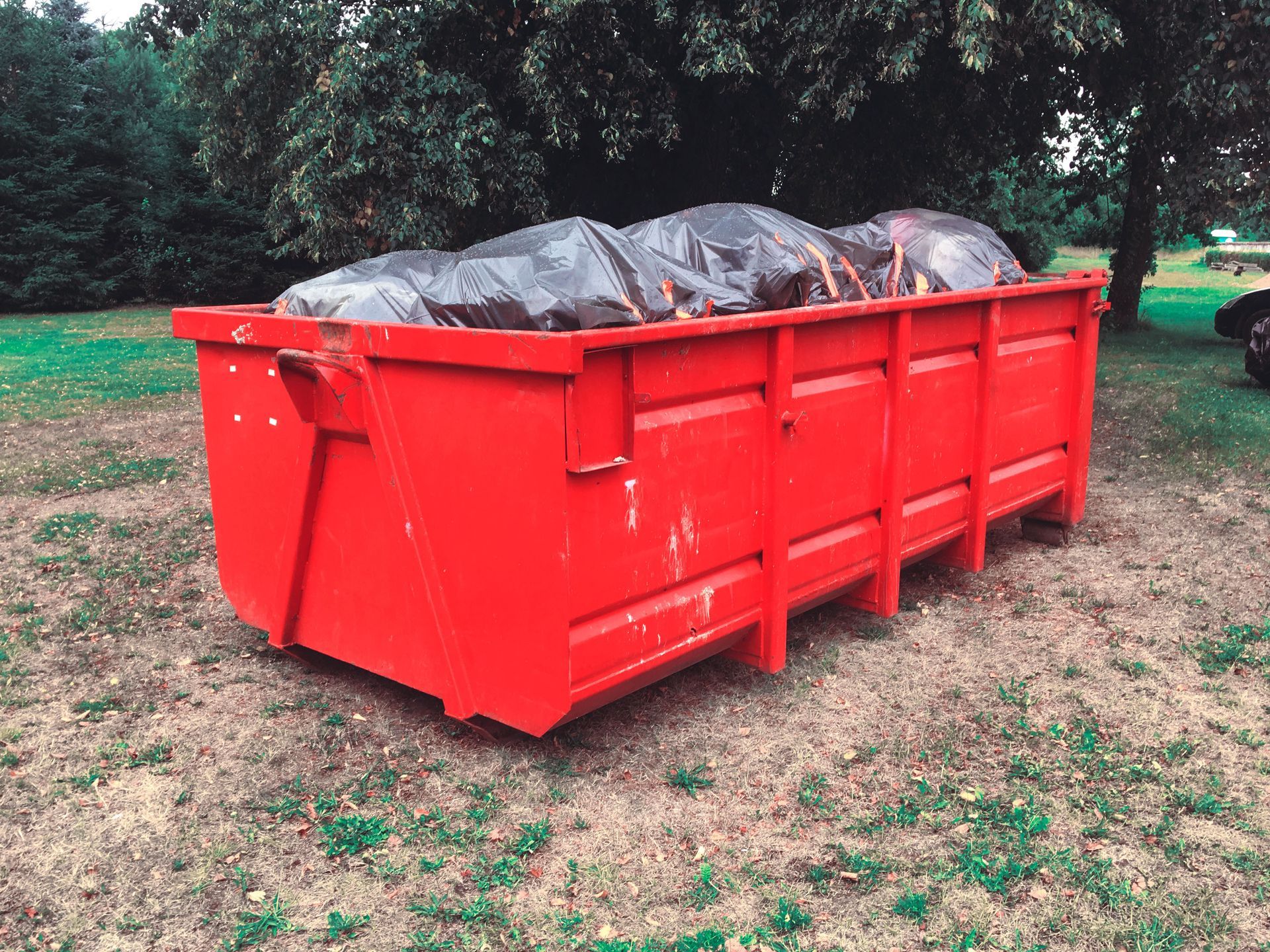
Determining the right container size is a pivotal decision in the management process. Common sizes range from smaller containers like 10-yard options, suitable for minor cleanouts, to 40-yard containers designed to accommodate the needs of large construction projects. Understanding these standardized sizes can assist in selecting accurately according to volume estimates. Consultation with your provider can offer insight into which size best aligns with your project requirements. Getting this choice correct can significantly influence both your initial costs and the convenience of the disposal process.
Effectively matching a container to the scale of your project ensures efficiency in both cost and waste management. Smaller home renovation projects or garage cleanouts typically require smaller containers, while larger commercial renovations or construction projects may necessitate multiple or larger units. Aligning the size with project scale avoids the expense of multiple trips and ensures ample space for all waste generated. Overfilling a container can result in additional fees and logistical challenges. Therefore, mindful planning in this area is key to a seamless experience when securing dumpster rentals.
Utilizing Guidelines and Avoiding Overages
Many professional companies offer size guides online or through customer service to assist clients in making informed decisions. These size guides typically outline the dimensions and volume capacities of various units, along with suggestions on the types of projects each is suited for. Such resources are invaluable tools in visualizing the necessary size for your debris. Providers who emphasize transparency and education often help their clients avoid common sizing miscalculations, leading to a satisfactory experience. Proactively utilizing these guides can prevent stressful mid-project adjustments due to insufficient waste management resources.
Using a container entails understanding the implications of its usage limits, with overfilling being a crucial concern. An overfilled unit not only contravenes safe transport regulations but often attracts extra charges from professional companies. Such penalties can be avoided through initial accurate estimation and selecting a container adequately sized for your project needs. Overfilling may also mean additional pickups, which can further inflate costs and delay the project. Careful foresight in this aspect can prevent unnecessary expense and hassle during the waste disposal phase.
Managing Weight Limits and Timeline Adjustments
Every setup comes with specific weight limits, which, if exceeded, can result in penalties or additional fees. Weight is a variable that significantly influences total costs, especially in large projects with heavy debris. Accurate waste volume estimations can prevent falling foul of these limits, averting added charges at the end of the term. Some professional providers offer advice on weight management strategies as a value-added service to their clients. Regularly reviewing project progress against expected waste generation is a proactive way to avoid penalties.
Operational periods are often defined with flexibility in mind, but extended setups often carry additional charges that can inflate overall costs. Understanding these charges helps distinguish between standard and expanded timelines, facilitating better project alignment. Preemptively budgeting for possible extensions and being aware of the provider's policies on timeframe adjustments ensure financial preparedness. Consulting your provider if project changes necessitate longer container usage can illuminate costs and confirm scheduling accommodations. Promptly addressing these charges avoids unnecessary strain on project resources.
The intricate process of renting a container demands detailed attention and informed decision-making to foster a successful project outcome. This article illuminated critical tips from assessing needs and choosing appropriate sizes to understanding complex pricing models and sophisticated booking logistics. Encouraging diligence and thorough inquiry ensures your waste management efforts are rewarding and seamless. The focus on preemptive strategy optimizes cost efficiency, compliance, and operational cohesion in any project. Embracing an informed approach answers complex waste management questions, supporting overall project efficacy and streamlining coordination with Britt's Dumpsters and Dump Trucks.