May 11, 2026
Effective hauling services play a critical role in ensuring smooth and stress-free project execution. By managing the transportation of materials efficiently, hauling services reduce operational bottlenecks and allow teams to focus on core project tasks. From construction debris removal to aggregate delivery, a structured hauling plan increases productivity and minimizes delays. With the right strategy and provider, projects can achieve efficiency, safety, and cost control simultaneously. Additionally, proactive communication and alignment with project timelines further diminish potential interruptions, integrating hauling seamlessly into the overall workflow.
1. Identify Project Requirements
Understanding the specific hauling needs of your project is the first step toward efficiency. Each project differs in size, scope, and materials, so establishing what needs to be moved is essential. Residential projects typically require fewer resources than commercial or industrial sites. By identifying the exact requirements early, we can allocate the proper equipment, manpower, and schedule to meet project demands without last-minute adjustments. This foresight enables the pinpointing of potential logistical challenges before they escalate, allowing for timely and effective solutions.
2. Assess Load Size and Type
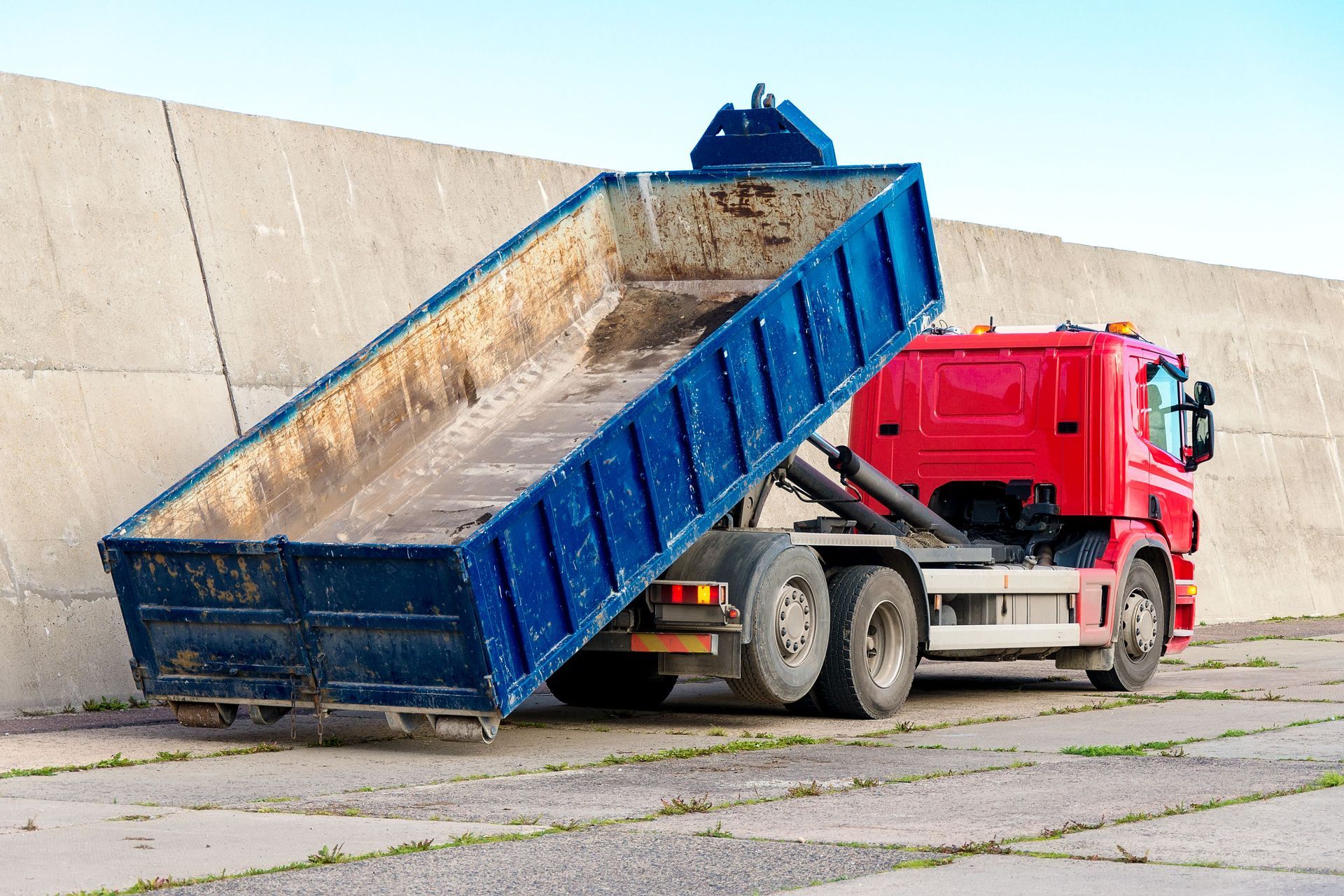
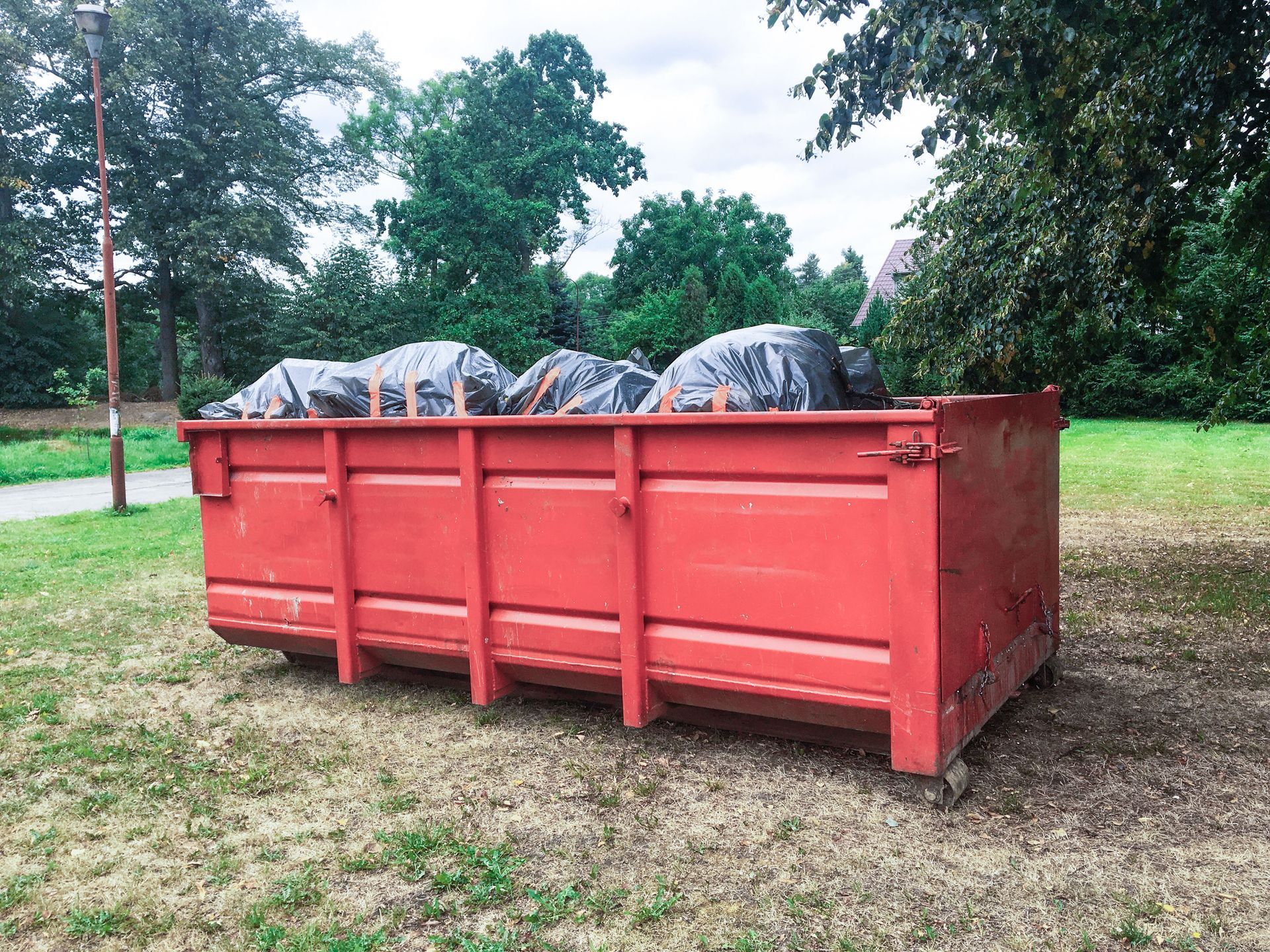
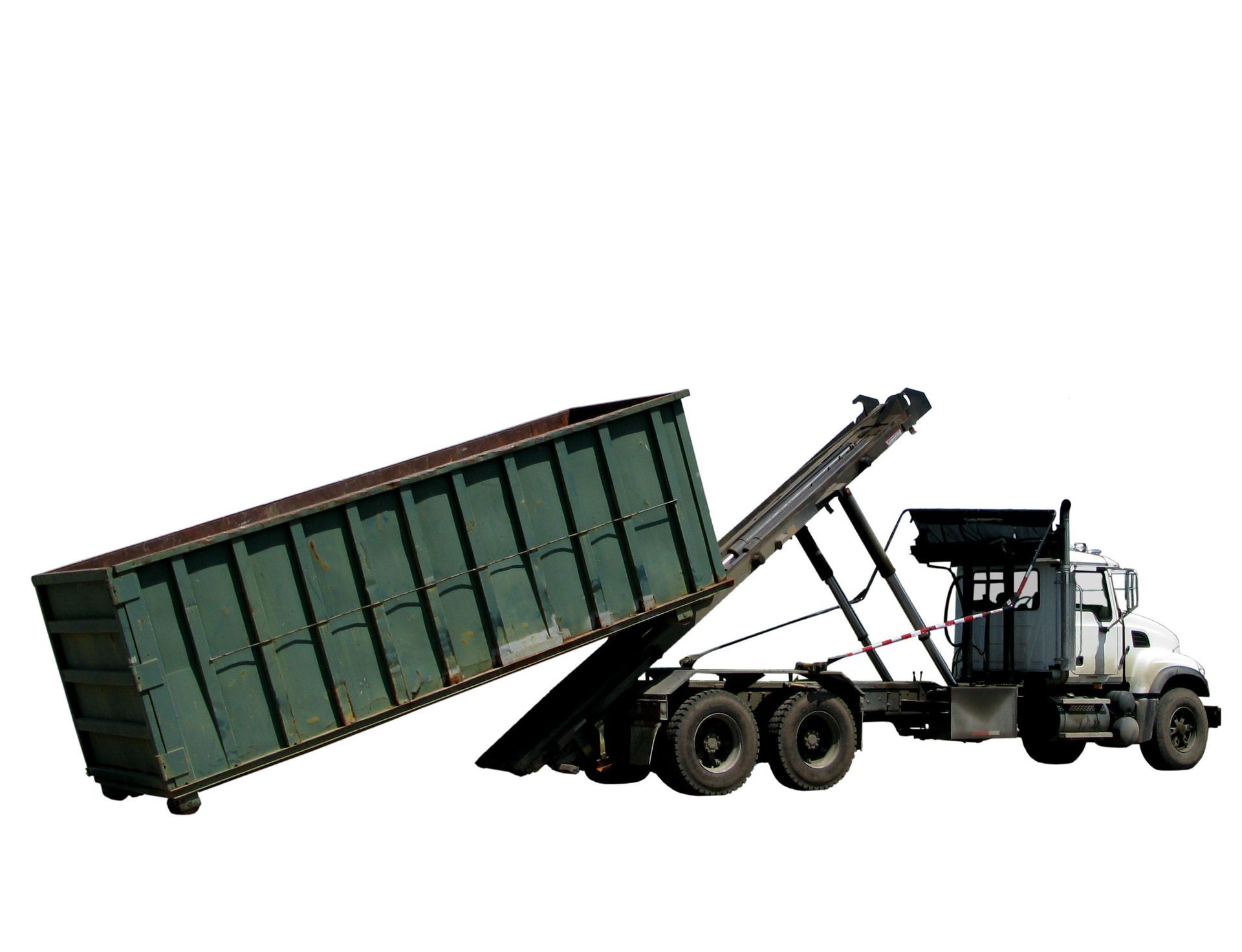
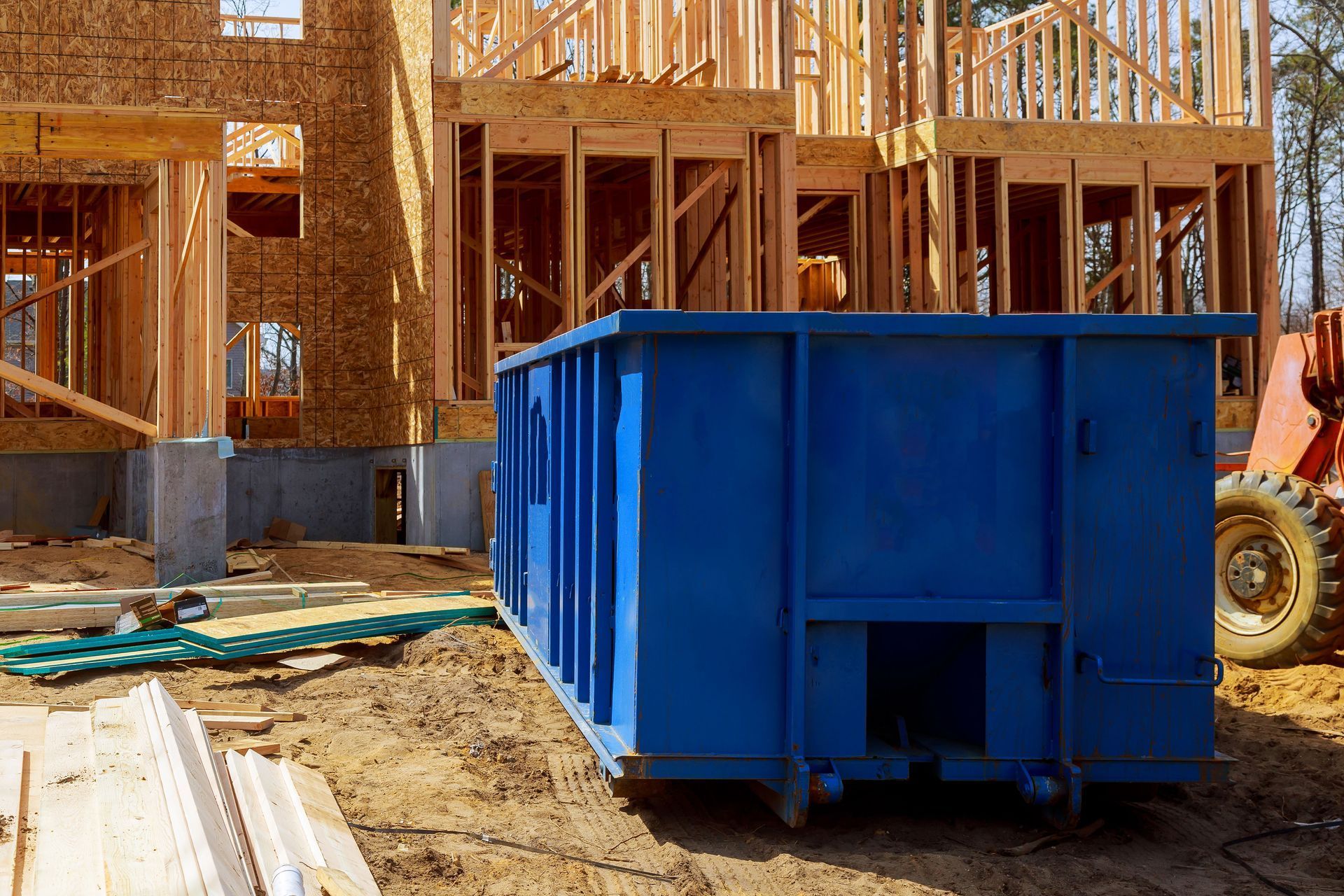
The type and volume of materials dictate the hauling approach. Construction debris, equipment, and other bulky materials vary in weight and handling requirements. Proper assessment ensures we select the right vehicles. According to Gitnux, on active construction sites, dumpsters are heavily utilized, with an average utilization rate of 82%, highlighting the importance of optimizing load sizes. This planning step reduces the risk of damage, improves safety, and ensures materials are transported efficiently to their designated disposal or delivery locations.
3. Evaluate Site Accessibility
Site conditions directly affect hauling operations. Narrow paths, overhead obstacles, soft ground, or tight corners can all impede equipment movement. Evaluating these challenges in advance allows us to strategize safe and efficient access points. By addressing accessibility early, projects avoid costly delays, equipment damage, and unnecessary complications during transport.
4. Determine Frequency of Hauls
Hauling requirements often fluctuate throughout a project. Demolition phases may require daily debris removal, while other phases might need weekly or biweekly support. Aligning hauling schedules with project milestones ensures materials are cleared promptly, keeping work areas safe and organized. This approach maximizes equipment usage and prevents bottlenecks that can slow overall progress. Strategically scheduled hauls align with resource availability, contributing to a finely tuned project balance.
5. Estimate Costs and Budget
Accurately projecting hauling expenses is vital for maintaining project budgets. Costs include vehicle rentals, personnel, fuel, and potential wear and tear. Using bulk transport strategies or negotiating long-term contracts can optimize expenses without sacrificing service quality. Proper budgeting ensures projects stay financially on track while maintaining operational efficiency and reliability.
6. Research Service Providers
Selecting a dependable hauling service provider is crucial for smooth operations. Researching local companies helps identify those with a strong track record, reliable fleets, and expertise in handling different materials. Providers with experience across various project types can anticipate challenges and execute hauls efficiently. Choosing a reputable company lays the foundation for stress-free logistics. An informed choice of provider instills confidence in achieving timely and quality outcomes.
7. Read Customer Reviews
Customer feedback offers insights into a hauling service provider’s reliability and performance. Positive reviews indicate consistent service delivery, while patterns of complaints may signal potential issues. Analyzing reviews allows us to select providers with a proven history of efficiency, professionalism, and responsiveness. Engaging a provider with strong customer satisfaction enhances project confidence and outcomes. Ensuring alignment with customer expectations is paramount for building lasting partnerships.
8. Verify Licensing and Insurance
Legal compliance and insurance coverage are non-negotiable in hauling operations. Confirming licensing ensures the provider adheres to industry regulations. Adequate insurance coverage protects against unforeseen incidents, such as equipment damage or property mishaps. This verification mitigates risk and ensures that hauling operations proceed safely and responsibly, safeguarding both personnel and materials.
9. Request Quotes and Comparisons
Gathering detailed quotes allows for accurate cost comparisons among potential providers. Transparent pricing highlights service inclusions and potential additional fees. Comparing multiple options ensures alignment with both budget and project requirements. This process promotes informed decision-making, enabling the selection of a provider that balances cost, quality, and reliability.
10. Check Equipment and Fleet Quality
The quality and condition of a hauling provider’s fleet directly impact project efficiency. Well-maintained trucks and dumpsters reduce the risk of breakdowns and ensure timely deliveries. Inspecting equipment in advance confirms it can handle the project’s material type and volume. Choosing a provider with modern, reliable equipment guarantees safe and uninterrupted hauling operations. Rigorous equipment evaluations assure operational continuity and robustness under varied conditions.
11. Develop a Detailed Hauling Schedule
Creating a detailed schedule is key to optimizing hauling service efficiency. Aligning hauls with project milestones ensures resources are available when needed. Structured scheduling minimizes idle time for personnel and equipment, allowing seamless workflow across project phases. Well-planned timelines reduce stress and keep operations running smoothly. Scheduling precision harmonizes resources and requirements, optimizing time and output.
12. Coordinate with Other Contractors
Coordination with contractors on-site prevents conflicts and maximizes productivity. Synchronizing hauling activities with other work phases avoids delays and overlapping operations. Open collaboration ensures shared access to resources and reduces downtime. Effective coordination fosters an organized, efficient work environment that benefits all teams involved.
13. Establish Clear Communication Channels
Clear communication underpins successful project execution. Establishing reliable channels ensures timely updates about haul schedules, changes, or potential issues. Communication reduces misunderstandings, enhances coordination, and improves overall project cohesion. Consistent, open lines of communication support efficient operations and informed decision-making. Transparent dialogue channels create a proactive environment where challenges are swiftly addressed.
14. Prepare Contingency Plans
Unforeseen challenges are inevitable in project logistics. Contingency planning, including alternative routes, backup equipment, or additional manpower, minimizes operational disruptions. Anticipating potential obstacles allows projects to maintain momentum despite unexpected events. Proactive planning ensures a resilient and adaptable approach to hauling service management.
15. Utilize Hauling Management Software
Leveraging technology streamlines hauling operations. Management software enables real-time tracking, scheduling, and route optimization. Data insights support better decision-making and enhance efficiency. Integrating technology ensures that hauling services operate smoothly, reducing operational costs and improving overall productivity. Advanced software analytics offer strategic insights, driving methodical enhancements across project operations.
16. Understand Safety Regulations
Adhering to OSHA and local safety regulations is essential for all hauling operations. Knowledge of proper procedures ensures safe handling of materials and reduces accident risks. Compliance fosters a safety-conscious environment that protects personnel and property. Prioritizing safety improves project reliability and reinforces operational accountability. Commitment to safety protocols fortifies operational credibility and the welfare of the workforce.
17. Implement Hazard Identification Protocols
Identifying potential hazards before operations begin prevents incidents and delays. Regular site assessments, equipment inspections, and risk evaluations form the basis of effective hazard management. Early detection allows for proactive mitigation measures, reducing downtime. Comprehensive protocols contribute to a safer, more efficient project environment.
18. Conduct Regular Safety Training
Consistent safety training equips personnel with the knowledge to manage risks effectively. Keeping teams informed about procedures and updates reinforces safety standards. Trained staff respond efficiently to incidents, minimizing disruptions. A culture of safety strengthens compliance and project success. Regular updates and training sessions foster a culture of continuous safety improvement, aligning practice with cutting-edge industry standards.
19. Use Proper Personal Protective Equipment (PPE)
Proper PPE is a critical component of safe hauling operations. Helmets, gloves, and high-visibility clothing protect personnel from common site hazards. Enforcing PPE usage demonstrates a commitment to safety and ensures compliance with regulations. This proactive approach reduces injury risk while fostering a responsible work environment.
20. Ensure Vehicle Compliance and Maintenance
Maintaining vehicles in optimal condition prevents operational delays and regulatory issues. Regular inspections and service checks ensure trucks and equipment operate efficiently. Proactive maintenance minimizes breakdown risks and supports uninterrupted project timelines. Ensuring fleet readiness contributes to consistent, dependable delivery. Periodic maintenance not only upholds vehicle integrity but also enhances reliability in fast-paced project settings.
Implementing a structured approach to hauling service allows projects to run smoothly, efficiently, and safely. From precise load planning to leveraging technology and prioritizing sustainability, these strategies streamline operations while minimizing stress and cost. Optimizing processes, adhering to safety standards, and continuously improving practices ensure project goals are met effectively. Embrace innovation and collaboration for enhanced operational excellence, guaranteeing successful project deliverables from inception to completion. For reliable, professional support in all your hauling needs, contact Britt's Dumpsters and Dump Trucks to schedule your next project with confidence.